Trimming overhanging tree branches
Trimming overhanging tree branches
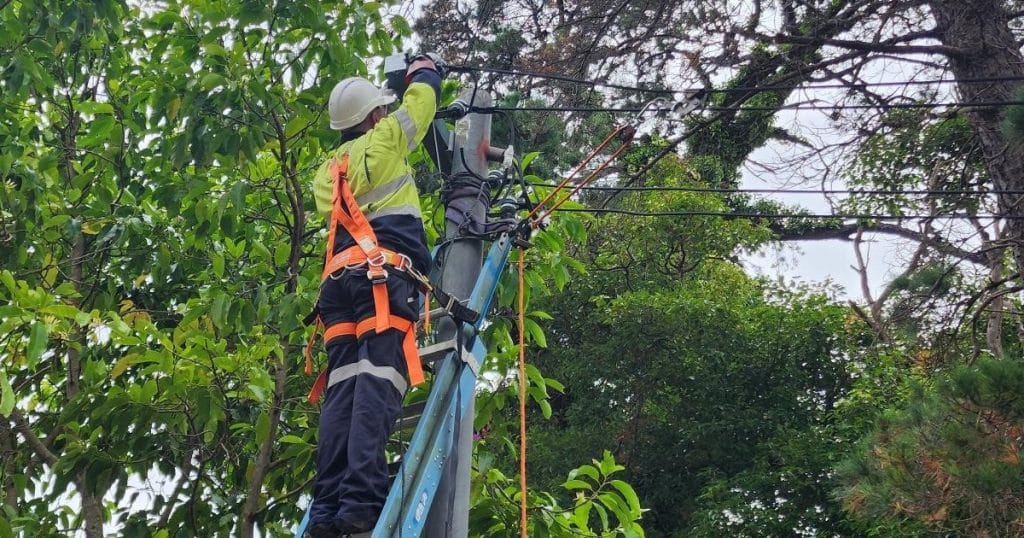
With spring around the corner, trees are about to burst back into life, which makes now the perfect time to trim overhanging branches, especially those near the overhead electrical wires connecting power from the street to your home. Left unchecked, branches can become a serious hazard, obstructing electrical wiring, threatening your home and even posing a fire risk.
Understanding and addressing these risks isn’t just good practice, it’s part of keeping your home safe and your trees healthy.
Here are five key reasons to trim overhanging tree branches and why it’s often safest to call in a professional.
1. Stay compliant under the 10/50 vegetation clearing rule
If your property falls within a designated 10/50 vegetation clearing entitlement area, you may be able to remove trees and vegetation without prior approval.
This rule allows property owners to:
- Clear trees within 10 metres of their home.
- Remove vegetation within 50 metres of their home.
It’s a valuable step in bushfire preparation and helps reduce fuel loads around your property.
Check your eligibility for the 10/50 rule here.
2. Improve the safety of your home
Dead or overhanging branches can create multiple hazards:
- Fire risk: Dry branches and debris provide fuel for bushfires.
- Falling hazards: Dead or weak limbs can snap and damage roofs, cars, or even injure people.
- Pest control: Rotting wood attracts termites, borers, and other insects that can compromise tree health.
- Wildlife access: Overhanging branches make it easy for animals to enter your roof space.
By trimming back overgrowth, you reduce these risks while helping your tree focus its energy on producing strong, healthy new growth.
3. Prevent electrical hazards during storms
Branches near powerlines are a major safety concern during storms. Saturated soil, strong winds, and weakened trees can lead to branches breaking or falling into live wires — creating:
- Power outages
- Downed lines and electrocution risks
- Flying debris that can damage property
Routine trimming helps eliminate these dangers before wild weather hits.
4. Keep your property looking its best
A well-trimmed tree does more than improve safety — it enhances your property’s street appeal. Removing dead wood, shaping uneven growth, and cutting away unhealthy branches keeps your trees looking lush and balanced.
For taller or hard-to-reach branches (especially near powerlines), a cherry picker and the expertise of a Level 2 electrician may be needed to get the job done safely.
5. DIY Trimming can be dangerous
While it might be tempting to grab a chainsaw and tackle overhanging branches yourself, DIY tree trimming near powerlines is extremely risky.
Potential dangers include:
- Electrocution from accidental contact with live wires.
- Serious injury from falling branches or unstable trees.
- Tool-related accidents when working at heights.
Hiring a licensed professional ensures the work is done safely and to standard. Level 2 electricians are trained to work near live powerlines, use specialised protective equipment, and can safely de-energise lines when required.
If your branches are close to powerlines, or if you’re unsure of your eligibility under the 10/50 rule, it’s best to leave the work to a qualified Level 2 electrician.
At Hornsby Electric, our experienced team can trim overhanging branches safely and effectively, keeping your property compliant, secure and storm-ready.
Call us today on 9477 2550 to book a professional assessment.